Blog
Screen Printing in Las Vegas: A Historical and Technical Guide to Custom T-Shirt Printing
02/28/2025
Best screen printing shop in Las Vegas
Screen printing is more than just a method for making custom t-shirts â itâs a versatile printing technique with a rich history and wide-ranging applications. From its ancient origins to modern Las Vegas screen printers creating vibrant apparel for businesses and events, screen printing has evolved into an art and science. In fact, by 2014 it was the second most profitable form of apparel decoration in the U.S., surpassed only by embroidery
A Brief History of Screen Printing
Screen printing (also known as silkscreen printing or serigraphy) is an ancient art that originated over a thousand years ago. Early forms of screen printing began in Asia, with most historians agreeing that the first recognizable screen printing processes emerged in China during the Song Dynasty (960â1279 AD)
. Artisans used finely woven mesh (originally made of silk) and hand-cut stencils to transfer intricate designs onto fabric. The technique spread to neighboring countries like Japan, where artists improved it by using human hair to weave the mesh and stiff brushes to push ink or dye through the screens
. It was in these early Asian methods that the foundations of modern screen printing were laid, even earning the name âsilk screen printingâ due to the use of silk mesh.
Screen printing comes to the West much later. European traders discovered the technique through trade routes (such as the Silk Road) and brought it to Europe in the 18th century
. Initially, screen printing in Europe was an artisan craft used for fine art and luxury textiles. In France and England, printers used silk screens stretched over frames to create patterns on wallpapers, fabrics, and garments for the wealthy classes
. A major leap in screen printing technology came in 1907 when Englishman Samuel Simon patented the first modern screen printing process
. Simonâs method used a stencil on bolting cloth (a type of mesh) stretched on a frame â very similar to the basic technique used today. This invention made it easier to reproduce designs consistently, although at that time screen printed products were still relatively exclusive.
The real revolution in screen printing happened in the early-to-mid 20th century. In the 1910s, a group of printers (Roy Beck, Charles Peter, and Edward Owens) introduced the use of photo-reactive chemicals to create stencils, allowing designs to be âburnedâ onto screens using light exposure
. This innovation â the photo-emulsion process â meant that highly detailed and photographic images could be turned into screen stencils, dramatically expanding what screen printing could do. By the 1930s, the term âserigraphyâ was coined by artists in the United States to distinguish artistic screen printing from industrial printing
Around the same time, screen printing became popular in advertising and posters, including use by the Works Progress Administration (WPA) artists to create vivid propaganda and public service posters.
The 1960s saw a screen printing boom, both industrially and artistically. The invention of the rotary multi-color screen printing press by Michael Vasilantone in 1960 revolutionized the garment printing industry
.His press (originally developed to print on bowling shirts) allowed multiple screens to print different colors in succession on a single garment by rotating the screens around â vastly increasing production speed for multi-colored designs. This innovation was quickly adopted by t-shirt manufacturers and is essentially the basis of the carousel presses used by t-shirt printers today. At the same time, Pop Art embraced screen printing as a creative medium. Iconic artist Andy Warhol popularized screen printing in fine art, using it to produce famous works like the multicolored Marilyn Monroe portraits and Campbellâs Soup Cans prints
. Warholâs use of bold, repetitive images silkscreened in vibrant colors showed that screen printing could be a form of high art. By the late 20th century, screen printing had firmly entered the mainstream â from concert posters and graphic tees to industrial applications.
Today, screen printing is ubiquitous and remains one of the most popular methods of printing on apparel and other materials
Itâs beloved for its versatility, durability, and the unique textured look of the print. Modern advancements (like improved inks, computer-guided presses, and eco-friendly materials) continue to refine the process. But at its core, the screen printing technique used by ancient Chinese artisans and by Las Vegas screen printers in todayâs custom t-shirt shops is very much the same â a testament to the lasting effectiveness of this printing method.
How Screen Printing Works: The Technical Process
At its essence, screen printing is a stencil-based printing technique
. It involves pressing ink through a porous mesh screen that has been masked off (stenciled) in certain areas to form a design on the printing surface. Each color in a design is applied using a separate screen, so multi-colored prints require multiple screens and careful alignment. Hereâs a step-by-step overview of the screen printing process:
- Design Preparation: Every screen print starts with a design or artwork. The design is often created digitally and then color separated â meaning each color in the artwork will be printed with a different screen. For example, a logo with red, blue, and white elements needs three separate screens. The artwork for each color is printed onto a transparent film (creating whatâs called a film positive).
- Coating the Screen with Emulsion: Screens are usually made of a fine polyester mesh stretched tightly over a frame (historically this mesh was silk, which is why itâs called silkscreen). The mesh screen is coated with a light-sensitive photo emulsion. This emulsion will allow us to create a stencil: itâs a liquid that cures into a solid film when exposed to a strong light source (usually UV light).
- Burning the Stencil: Once the emulsion is dry, the transparent film with the design is placed on the screen, and the screen is exposed to bright light (a process often called âburningâ the screen). Wherever the artwork blocks the light (the design areas), the emulsion underneath remains soft, but all other areas exposed to light harden. After exposure, the screen is washed with water â the soft emulsion where the design was will rinse away, leaving open mesh in the exact shape of the artwork. Now ink can pass through these open areas, while the rest of the screen remains blocked. This creates a precise stencil of the image on the screen.
- Setting Up the Press: The prepared screen is then mounted onto a screen printing press. For simple projects, this might be a single-station manual press (basically a hinge holding the screen that can be lowered onto the printing surface). For multi-color or higher-volume jobs, printers use multi-station carousel presses (which have arms for multiple screens and rotating platens for shirts). The item to be printed (e.g. a t-shirt) is placed on a platen, which is a flat board that holds the shirt in place and provides a smooth surface for printing.
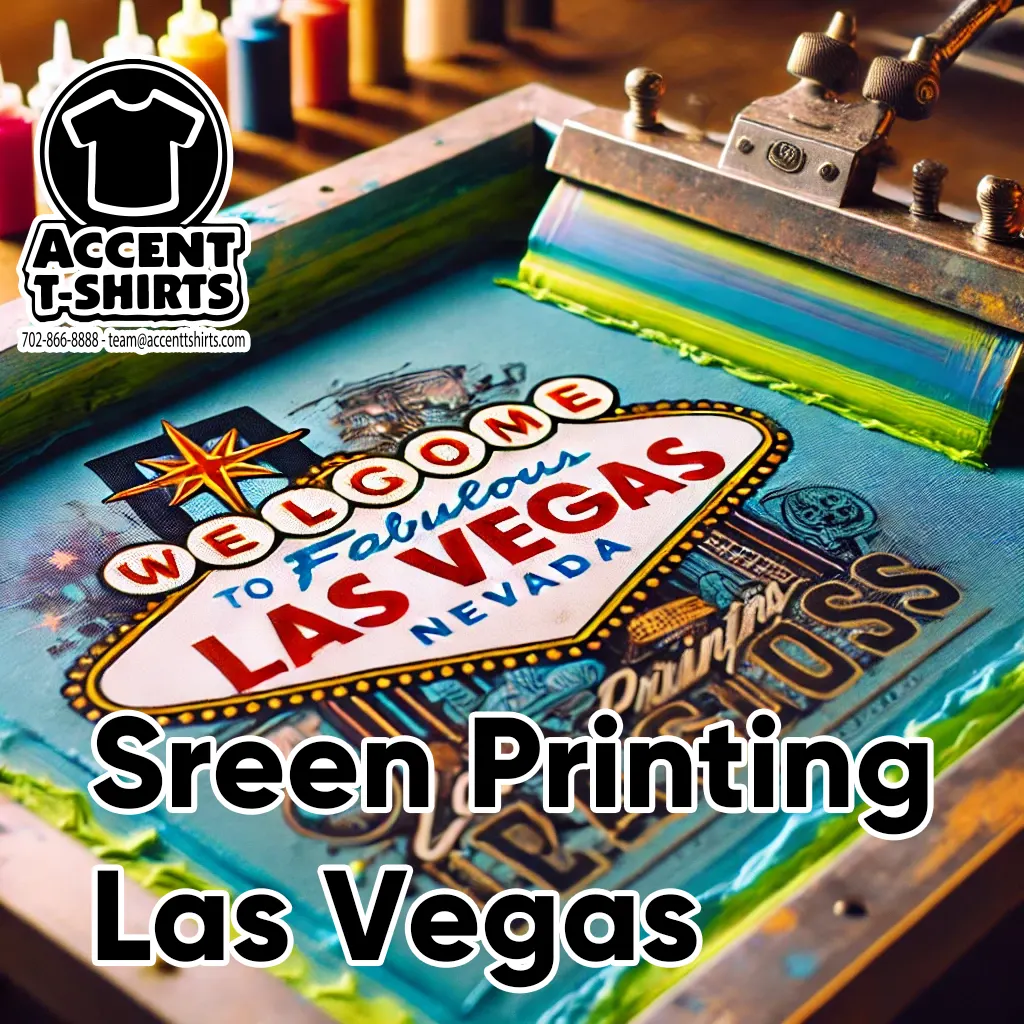
- Printing: The printer applies ink to the screen and uses a tool called a squeegee to pull the ink across the screen.
The squeegee presses the ink through the open mesh areas of the stencil, thereby depositing ink in the shape of the design onto the shirt (or whatever substrate is being printed). Each color is printed one at a time with its respective screen, so if a shirt has three colors, it will go through three separate screen prints (with drying steps in between if needed). Modern automatic presses have mechanical squeegees and can spin through multi-color prints quickly, while manual printing requires the printer to do each color by hand. The image above shows a screen printer using a squeegee to push ink through the mesh, printing a design in layers of blue and black ink. - Curing the Ink: After printing, the ink must be cured so that it bonds to the fabric and becomes durable. For textile printing (like t-shirts), this usually means running the shirts through a conveyor heat dryer, which essentially bakes the ink at around 320°F (for plastisol ink) to cure it. Some smaller operations use heat guns or heat presses to cure ink on each garment. Proper curing is critical to ensure the print wonât crack or wash out.
- Finishing: Once cured, the printed item is ready for use. Printers will usually do quality checks to make sure the colors are aligned (registration is correct), the ink coverage is solid, and there are no smudges or misprints. Excess ink is reclaimed, and screens can be cleaned and âreclaimedâ by removing the emulsion stencil, allowing the screen mesh to be reused for another job.
This process may sound labor-intensive â and it is â but itâs extremely efficient for producing large quantities of prints. Screen printing is often the preferred method for bulk orders because once the screens are prepared and the press is set up, printing hundreds or thousands of copies of the same design is relatively fast and cost-effective. The result is a print that is vibrant, durable, and able to be washed repeatedly without significant fading or peeling. Screen printing inks (especially plastisol inks commonly used on t-shirts) sit on top of the fabric and create vivid opaque areas of color, which is excellent for graphics that need to âpopâ on dark or colored materials.
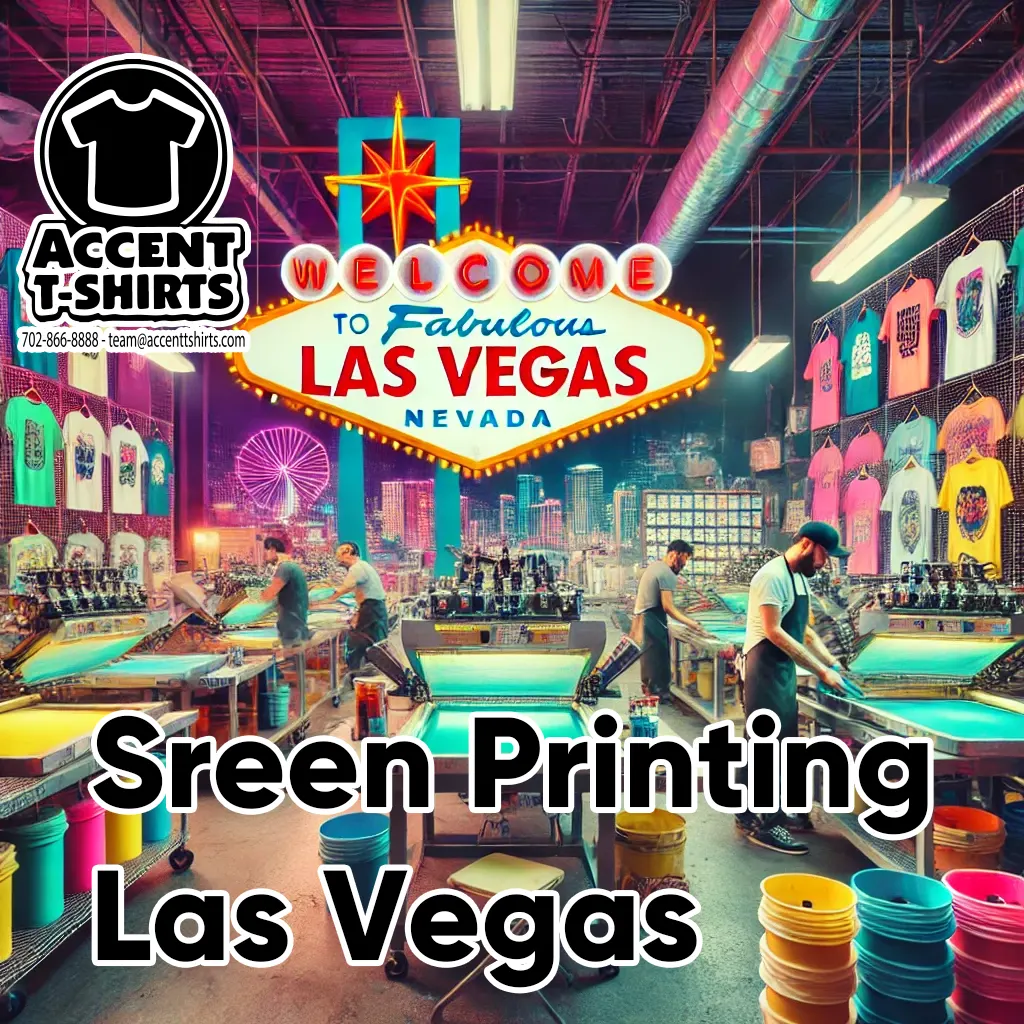
Itâs worth noting that screen printing can be done both manually or with automatic machines. Small custom print shops and hobbyists often print by hand, using single-color presses or simple setups. In contrast, large commercial operations (and many screen printers in Las Vegas serving big events or corporate clients) use automatic presses. These machines can have a dozen or more stations, automatically apply each color, and even flash-dry inks between colors. They greatly increase production speed and consistency. Regardless of the equipment, the underlying technique remains the same.
One of the reasons screen printing has endured through the years is its versatility. Printers can use different types of inks and techniques to achieve special effects. For example, there are metallic inks, puff inks, and glow-in-the-dark inks that can all be used with screen printing for unique finishes. There are also water-based inks and discharge inks that create a softer feel on shirts by essentially dyeing the fabric instead of laying plastic ink on top. Screen printing can also be adapted to a variety of surfaces beyond just flat fabric â with the right setup, you can screen print on cylindrical objects (like bottles), flat posters, wood, glass, and more. In fact, a U.S. print industry association once noted that âscreenprinting is arguably the most versatile of all printing processes,â able to be used on everything from t-shirts to circuit boards
With an understanding of how screen printing works, letâs look at what we can do with this technique. The applications of screen printing span many industries and creative pursuits.
Applications of Screen Printing Across Industries
One of the greatest strengths of screen printing is that it can be used on almost any material. Over the decades, people have used screen printing to apply designs and markings on paper, plastics, metal, glass, textiles, and more. Here are some of the major industries and areas where screen printing is used:
- Apparel and Fashion: The most well-known use of screen printing is, of course, on apparel. T-shirts, hoodies, jerseys, tote bags â you name it. If itâs a piece of fabric, it can likely be screen printed. Screen printing is the backbone of the custom t-shirt industry, band merchandise, sports team uniforms (for example, printing player numbers or logos), and fashion graphic tees. The prints created are durable and colorful, which is why your favorite printed tee from years ago might still have bright graphics. (Weâll dive deeper into custom t-shirt printing in the next section, since itâs such a big part of screen printing, especially in a city like Las Vegas that is full of branded apparel and promotional shirts.)
- Signs, Posters, and Banners: Before digital printing became prevalent, screen printing was the method for making signs, posters, and large banners. Many classic concert posters and billboard advertisements were screen printed. Even today, for certain applications like high-quantity poster runs or printing on materials like vinyl or plastic for outdoor signs, screen printing is used because it deposits thick ink that can be very weather-resistant. Itâs also used for printing decals and stickers, including things like bumper stickers or window decals, because the inkâs longevity is a big plus.
- Art and Collectibles: As mentioned earlier, screen printing is popular in the art world for making fine art prints, commonly called serigraphs when referring to artistic prints. Artists create limited edition screen printed posters or art pieces because the process allows for rich color and a handcrafted quality. Each print in a limited run is made by hand (or with careful oversight), which adds to its value. Many art galleries sell serigraphs, and gig posters (artistic concert posters) are often screen printed.
- Promotional Products and Merchandise: Companies often use screen printing to put logos or designs on promotional items. For example, think of branded tote bags, baseball caps, koozies, mouse pads, or even pens â screen printing (or related stencil printing methods) can handle many of these items. Some items require specialized techniques (for instance, printing on a pen might be done with a small screen or a pad printing method), but the concept is similar. In Las Vegas, where conventions and trade shows are common, screen printing is frequently used to create branded merchandise and giveaway items that companies hand out at events. A quick turnaround on a few hundred tote bags or t-shirts for a convention is a job well-suited to a local screen printing shop.
- Industrial and Technical Applications: You might not realize it, but screen printing also plays a role in various industrial manufacturing processes. For example, electronics and circuit boards often use a form of screen printing â printing conductive inks or solder masks onto PCBs (printed circuit boards). Similarly, solar panels and membrane switches (like those thin flexible keypads on appliances) can involve screen printed layersCustom Graphics on Almost Anything: Need a logo on a surfboard or a skateboard? Screen print it. Want to decorate a wooden sign or create custom wallpaper? Screen printing can do that too. There are very few limits â if the object can fit under a screen (or a screen can be made to fit the object), and the ink can adhere to the material, it can probably be printed. This flexibility has made screen printing a go-to solution for creative and entrepreneurial projects.. In the medical field, screen printing is used for things like biosensors or printing indicators on devices. Another example is ceramics and glass: the designs on ceramic tiles or the logos on glass bottles can be screen printed using special inks that are later fired in a kiln to set them
The ability to lay down a thick layer of ink or material in a precise pattern is why screen printing finds these specialized uses. Itâs not just about t-shirts â youâll find screen printed components in everything from appliances to automobiles.
In short, screen printingâs versatility and the quality of the output have kept it relevant, even in an age where digital printing is common. For many applications that require vibrant colors, longevity, and cost-effective bulk production, screen printing is still the preferred choice. As the Printersâ National Environmental Assistance Center aptly noted, screen printing is âarguably the most versatile of all printing processesâ
Now, among all these applications, letâs focus on the most popular one â custom t-shirts â and see why screen printing is king when it comes to apparel in particular.
Custom T-Shirt Printing: The Heart of Screen Printing Services
When most people think of screen printing, the first image that comes to mind is likely a graphic t-shirt. Indeed, custom t-shirt printing is at the heart of the screen printing industry and a huge part of why the technology has advanced and thrived. Walk down the Las Vegas Strip or attend any event, and youâll see countless screen printed tees showcasing everything from business logos and sports teams to creative artwork and catchy slogans. Hereâs why screen printing is the go-to method for custom t-shirts:
Screen printing produces colors on fabric that are hard to match with other methods. The inks (especially plastisol inks) used in screen printing are thick and opaque, which means even on a black or brightly colored shirt, the printed design will pop with true color. The image above shows a carousel screen printing press set up to print t-shirts â each arm holds a screen for a different color, allowing multiple colors to be printed in registration. Once the ink is cured, screen printed designs are extremely durable through many wash cycles. Unlike some heat transfers or digital prints that might fade after a dozen washes, a well-executed screen print can last for the life of the garment.
Cost-Effective for Bulk Orders: If you need one or two shirts with a photo on them, a direct-to-garment (DTG) digital printer might be more practical. But if you need 50, 100, or 1,000 shirts with the same design, screen printing becomes very cost-effective. The initial setup (creating screens, preparing the press) takes effort, but once itâs done, the incremental cost of printing each additional shirt is low. This is why companies and event organizers love screen printing for their custom apparel needs â it brings the per-shirt cost down significantly for medium to large quantities. For example, a local Las Vegas restaurant ordering 200 branded staff shirts or a conference needing 500 giveaway tees will almost certainly choose screen printing to get high quality at a reasonable price per unit.
Versatility in Design Placement and Sizing: With screen printing, youâre not limited to standard paper-sized prints or small areas. As long as you can make a screen for it, you can print huge designs or all-over patterns. Want a logo on the front, text on the back, and a sponsorâs logo on the sleeve? Itâs all doable by creating separate screens for each placement. T-shirt screen printers often have different platen attachments for sleeves, pockets, or other tricky areas. This means custom t-shirt printing isnât just limited to the chest area â you can get creative with where and how designs appear on the garment.
Specialty Inks for Fashion Effects: The t-shirt world isnât all just flat color prints. Screen printing allows the use of specialty inks that can add texture and effects to apparel. For instance, puff ink can raise up and create a 3D texture (great for a bold lettering effect), foil screen printing can apply adhesive through a screen and then press metallic foil onto the shirt for a shiny mirror finish, and high-density inks can create sharp, raised areas that almost feel like rubber. These techniques are often used in streetwear and high-end fashion prints to make shirts stand out. With screen printing, a skilled printer can incorporate these effects, something that is much harder or impossible with other printing methods on fabric.
Ideal for Team and Event Apparel: Custom screen printed t-shirts are a staple for sports teams, school clubs, charity runs, family reunions, bachelor/bachelorette parties â you name it. In a place like Las Vegas, you see a lot of groups wearing matching screen printed shirts (think of bachelor parties with humorous Vegas-themed shirts, or participants in a charity walk wearing event shirts with sponsors listed). The reason is simple: screen printing is the most practical way to produce a batch of shirts that look consistent, carry vibrant logos or graphics, and hold up well. Teams and event organizers also appreciate that screen printers can match specific colors (using custom-mixed inks to match branding guidelines or school colors, for instance).
All these factors solidify screen printing as the champion for custom apparel printing. It provides an unbeatable combination of quality and value when it comes to t-shirts and other garments. In the context of a bustling city like Vegas, which thrives on promotion, branding, and events, custom screen print Las Vegas services are in high demand. Whether itâs a tech conference needing branded swag, a nightclub selling merch, or a local food festival handing out souvenir shirts, screen printing is the trusted method to get the job done right.
Now that weâve established how important screen printing is for custom t-shirts and other uses, letâs turn our focus specifically to screen printing in Las Vegas. What makes the Las Vegas market unique, and what should you look for when choosing a screen printing service here?
Innovations in silk screen printing technology
Screen Printing in Las Vegas: Local Industry and Demand
Las Vegas isnât just a tourist destination â itâs also a hotspot for conventions, concerts, sports, and startups. This vibrant environment creates a constant need for custom printed materials, especially apparel. Screen printing in Las Vegas is a thriving industry, with many local businesses specializing in quick-turnaround, high-quality prints to meet the cityâs unique demands.
One major driver of demand is the convention and trade show circuit. Las Vegas hosts some of the largest conventions in the world (CES, MAGIC, automotive shows, etc.) at its expansive convention centers. Exhibitors often order custom printed t-shirts, bags, and other merchandise to promote their brands during these events. Itâs common for a Las Vegas screen printing company to receive rush orders for hundreds or thousands of shirts that need to be ready for a convention starting in a few days. The ability to fulfill large orders on tight deadlines is a hallmark of the top screen printers Las Vegas has to offer.
Entertainment and events are another big factor. With countless concerts, festivals (like Life is Beautiful or EDC), and sporting events (Las Vegas Raiders NFL games, Golden Knights NHL games, boxing matches, UFC fights, etc.), thereâs a huge market for merchandise. Even local events like school sports championships or charity runs require event tees. Las Vegas screen printers often collaborate with event organizers to produce official merch or participant shirts. For example, if thereâs a marathon on the Strip, thousands of runners will get a screen printed shirt with the race logo and sponsors on it. The same goes for music festivals where each yearâs festival shirt becomes a collectible item.
The tourism and hospitality industry in Vegas also leans on screen printing. Think of the gift shops in casinos and along the Strip â those fun T-shirts that say âVegas Baby!â or âWhat Happens in Vegas Stays in Vegasâ are usually mass-produced via screen printing. While some of that production is done out of state, many local printers supply smaller boutique hotels, local attractions, or specific souvenir lines. Restaurants and bars in town also often have their staff in custom printed uniforms or sell their own branded merch.
For local businesses and startups in Las Vegas, having a go-to screen printer is important for marketing purposes. Whether itâs a new brewery printing shirts with their logo, a tech startup ordering branded hoodies for an upcoming launch, or a food truck printing aprons and tees, they all need a reliable printing partner. Being able to meet face-to-face with a printer, discuss design details, and even see test prints is an advantage of working with a local Las Vegas screen printers rather than an online service.
Another aspect of the Las Vegas screen printing scene is the need for quality. In a city known for spectacle and high standards in entertainment, a subpar print isnât going to cut it. Businesses here want their apparel to reflect the glitz and professionalism of Vegas. This means local screen printers often invest in state-of-the-art equipment and top-quality inks and garments to satisfy discerning clients. The best shops will produce prints that not only look great under the neon lights of the Strip but also hold up in the intense desert sun and through many washes.
Finally, letâs not forget the importance of fast turnaround and reliability. Vegas can be a last-minute town â an event pops up or a VIP decides they want custom shirts for a party the next day. The top screen printing companies in Las Vegas are used to working under pressure and can often accommodate rush orders (sometimes printing overnight to meet a deadline). They also typically offer design services to help customers who have an idea but not a finished artwork â being a one-stop shop is key in this market.
In summary, screen printing in Las Vegas is characterized by high volume, quick turnarounds, and a diverse client base ranging from international convention organizers to local mom-and-pop shops. With so many options out there, itâs important to choose a screen printer with proven expertise and a strong reputation. In the next section, we highlight one such company that has become a leader in the Las Vegas screen printing community.
Accent T-Shirts â 25 Years of Screen Printing Excellence in Las Vegas
When it comes to finding reliable screen printing Las Vegas services, experience matters. One standout name in the industry is Accent T-Shirts. With over 25 years of experience in screen printing and custom apparel, Accent T-Shirts has established itself as a leading provider and a trusted partner for businesses, schools, and event organizers throughout Las Vegas.
Expertise and Services
Accent T-Shirts isnât just any print shop â they bring decades of hands-on expertise to every project. Having been in business for a quarter of a century, they have seen and done it all, from simple one-color prints to complex multi-color jobs on a variety of garments. Hereâs what sets Accent T-Shirts apart:
- Comprehensive Screen Printing Services: Accent T-Shirts specializes in custom screen print Las Vegas projects of all sizes. Need a small batch of shirts for a family reunion or thousands of tees for a corporate event? They can handle it. Their team is skilled in traditional spot-color screen printing as well as more advanced techniques. They pay careful attention to color accuracy and detail, ensuring that logos and artwork come out crisp and true to the design.
- State-of-the-Art Equipment: To deliver top quality, Accent T-Shirts uses modern screen printing presses and technology. With automatic presses in-house, they can produce large orders efficiently while maintaining consistency across every print. Advanced equipment also means they can achieve great registration (alignment of multiple colors) and accommodate detailed designs that lesser setups might struggle with. This investment in technology translates to bold, vibrant prints that really âpop,â which is crucial for making your brand or artwork stand out.
- Experienced Team: One of the biggest benefits of their 25-year history is the wealth of knowledge their staff brings. The printers at Accent T-Shirts are true craftsmen who understand the nuances of inks, fabrics, and techniques. They know how to tweak a print method or ink type to get the best result. For example, if youâre printing on a light, thin t-shirt, they might suggest water-based inks for a soft feel, whereas a heavy sweatshirt might be best with plastisol ink for opacity. This kind of guidance comes only from experience.
- Beyond Screen Printing â One-Stop Shop: While screen printing is at the core of Accent T-Shirtsâ offerings, they provide a full spectrum of apparel customization services. They also offer embroidery services, which is perfect for items like polos, hats, or jackets where an embroidered logo might be desired. Additionally, they have embraced newer technologies like DTG (Direct-to-Garment) and DTF (Direct-to-Film) printing, allowing them to handle ultra-small runs or full-color photo prints that might not be feasible with traditional screen printing. Their ability to offer multiple printing methods means customers get unbiased advice on the best method for their project. Need some promotional items like mugs or pens? Accent T-Shirts can assist with those as well, making them a convenient one-stop shop for branding needs.
- In-House Graphic Design Support: Not every customer comes in with print-ready artwork. Accent T-Shirts understands this, so they have in-house graphic design expertise to help polish a design or even create one from scratch. They can assist with preparing your logos or creating layouts that will print well. This is especially valuable for clients who might have a rough idea or a sketch â the design team can turn it into a professional artwork ready for screen printing.
- Quality and Satisfaction Commitment: Above all, Accent T-Shirts is known for its commitment to quality and customer satisfaction. They have thrived for 25 years in Las Vegas because they consistently deliver on promises. Shirts are printed correctly and on time, colors are vibrant, and garments used are high quality so the end product looks great and feels great. They stand by their work â if something isnât right, theyâll make it right. This reliability has earned them a loyal client base, from local schools and nonprofits to casinos and large corporations who repeatedly trust Accent T-Shirts with their branding projects.
- Local Las Vegas Pride: As a local business themselves, Accent T-Shirts takes pride in serving the Las Vegas community. They understand the unique needs of Vegas clients â whether itâs the importance of a fast turnaround for a convention or knowing that a construction companyâs work shirts need prints that can endure heavy use. They even emphasize âWe love local!â and support community events. By choosing a local veteran like Accent, customers also enjoy the benefit of easy communication and the ability to see samples or proofs in person. Thereâs a personal touch in working with a company thatâs deeply rooted in the area.
Why Choose Accent T-Shirts?
With so many Las Vegas screen printers out there, itâs the combination of experience, quality, and service that makes Accent T-Shirts a top choice. A project as important as your custom apparel â be it for promoting your brand or commemorating a special event â deserves to be handled by professionals who will get it right the first time. Accentâs 25-year track record in screen printing means theyâve consistently met the needs of clients and adapted to industry changes over the years. They bring a level of expert craftsmanship and reliability that is hard to match.
Clients frequently highlight how easy it is to work with the Accent team. They offer guidance at every step, from selecting the right shirt material (for example, recommending a soft ringspun cotton for a promotional t-shirt that people will actually enjoy wearing) to choosing ink colors that complement the shirt color and design. If youâre not sure about something, theyâre there to advise, not upsell â their goal is to ensure the final product is something youâre proud to wear or distribute.
Another reason to choose Accent T-Shirts is their fast turnaround and fair pricing. Because they have efficient processes and a dedicated staff, they often can accommodate projects that other shops might turn away due to time constraints. And despite offering premium quality, their prices remain competitive. They understand that businesses and organizations have budgets, so they work to find solutions that meet quality needs without breaking the bank â whether that means adjusting print size, number of colors, or suggesting different apparel options.
Lastly, the testimonials and repeat customers speak volumes. Many Las Vegas businesses have been partnering with Accent T-Shirts for years, which is a testament to the value they provide. When you see a company consistently in business for decades in a fast-changing city like Vegas, you know they must be doing something right. Accent T-Shirts has become synonymous with top-notch screen printing in Las Vegas, and they continue to lead the way in innovation, customer service, and quality results.
Conclusion
Screen printing has journeyed from ancient stenciling techniques to being a cornerstone of modern apparel and promotional industries. Its history is rich â from Song Dynasty artisans to pop art legends â and its technical process is both an art and a science. Weâve seen that this method remains unparalleled in producing durable, vibrant designs on everything from t-shirts to electronics, proving why itâs often called the most versatile printing process.
For those of us in the Las Vegas area, the significance of screen printing is evident all around town. The shirts worn by conference attendees, the uniforms of local businesses, the merch sold at concerts and sporting events â so much of it is created through the craft of screen printing. If youâre looking for screen printing Las Vegas services for your own project, remember the key points discussed: look for experience, quality of work, range of services, and a team that understands your needs.
Accent T-Shirts embodies all these qualities, with 25 years serving as one of the premier Las Vegas screen printers. Their expertise in custom t-shirt printing and commitment to excellence make them a go-to resource for anyone needing custom apparel in the region. Whether you need a dozen shirts for a bachelor party or ten-thousand for a city-wide event, partnering with seasoned professionals like Accent T-Shirts ensures youâll get results that meet (and likely exceed) your expectations.
In the end, screen printing is about making ideas tangible. Itâs about taking a logo, a piece of art, or a message and printing it in a way that people can see and wear. In a city as vibrant and visual as Las Vegas, having high-quality screen printed materials can make a huge impact â it turns heads, fosters unity (when a group all wears the same shirt), and spreads your message far and wide. So whether youâre fascinated by the history and technique of screen printing or youâre simply a customer looking for the best way to create custom t-shirts, we hope this overview has been informative and engaging. And when youâre ready to bring your own design to life, you know that screen printers Las Vegas like Accent T-Shirts are ready to make it happen with expertise and Vegas-worthy flair
Written by Lindy Williams
Lindy Williams is an entrepreneur and creative professional with a passion for branding, design, and storytelling. As the owner of Accent Promotions and Media and Race Day Outfitters, Lindy has been crafting custom apparel and NASCAR merchandise since 1999. With a keen eye for detail and a deep appreciation for artistic expression, Lindy brings fresh perspectives to every project.
Beyond business, Lindy enjoys exploring new creative ventures, curating unique designs, and embracing a minimalist approach to life. Always striving for growthâboth personally and professionallyâLindy is dedicated to innovation, authenticity, and making a lasting impact.